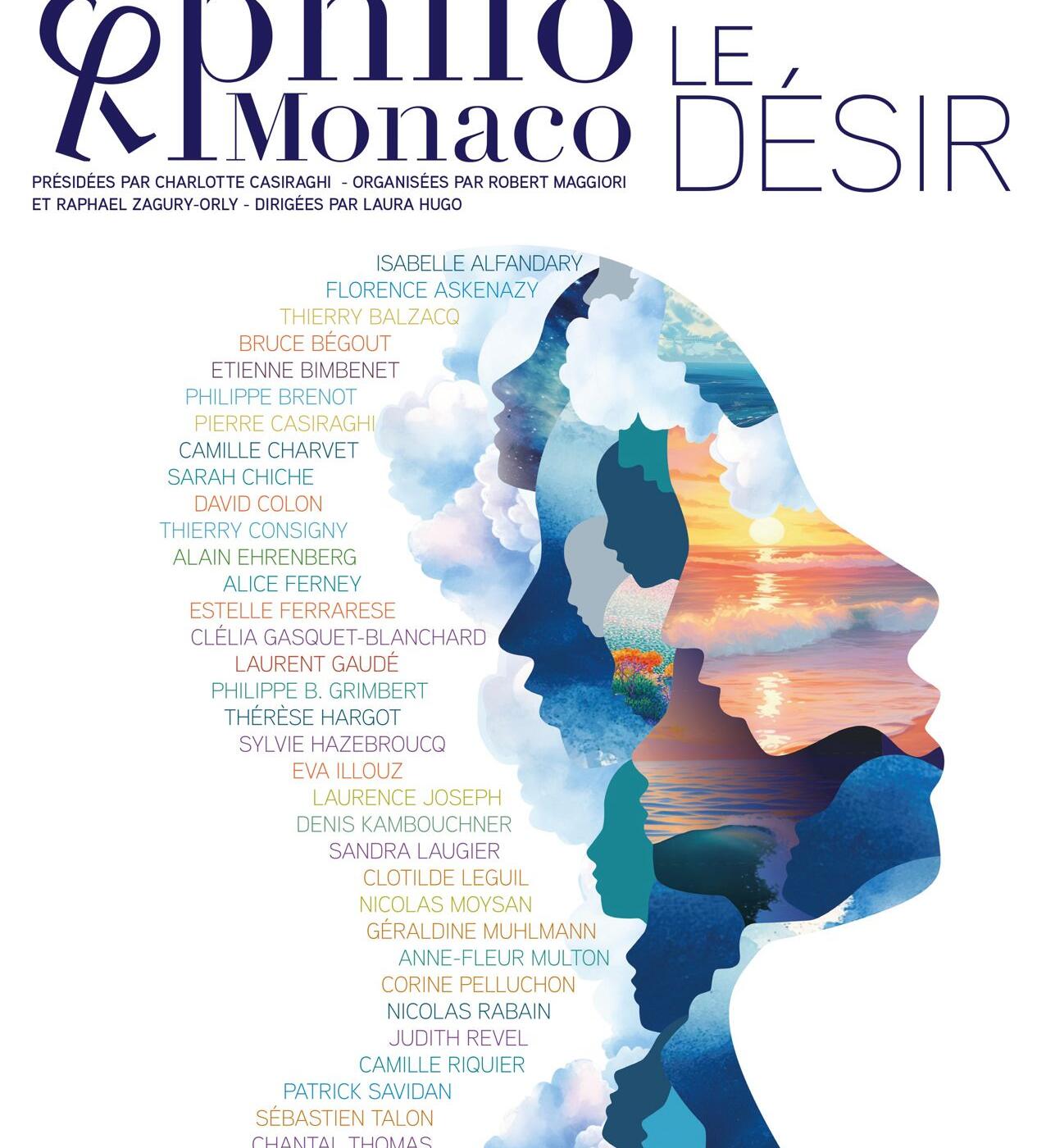
Writing desire
Alice Ferney, writer – In conversation with Raphael Zagury-Orly
Laurent Gaudé, writer
Cécile Ladjali, writer
Do we say we are writing when we write a fine letter to our insurance company, when we scribble a shopping list or take notes in class? A writer of everyday texts is not a writer, certainly, and in fact the verb "to write" – setting aside the child learning to do so – is most often used only in the more noble sense given to it in literature. From this, we can observe that nothing which has happened to the world and to humanity has escaped its literary translation. Where does this power come from that renders literature capable of conveying a truth truer still than real events – from the most grand or tragic phenomena to the infinitesimal stirrings of the soul? If the desire to write, rather diffuse, answers to the urge or need (in a private journal, for example) to "put thought and feeling into words," with the risks of "betrayal" that Bergson saw in the exercise, is it possible – which would be the prerogative of the writer and the virtue of literature – to "write desire," to evoke, to suggest, to describe the most secret motor, the most subtle, the most fleeting, the most elusive driving force of the existence of men and women?
Robert Maggiori